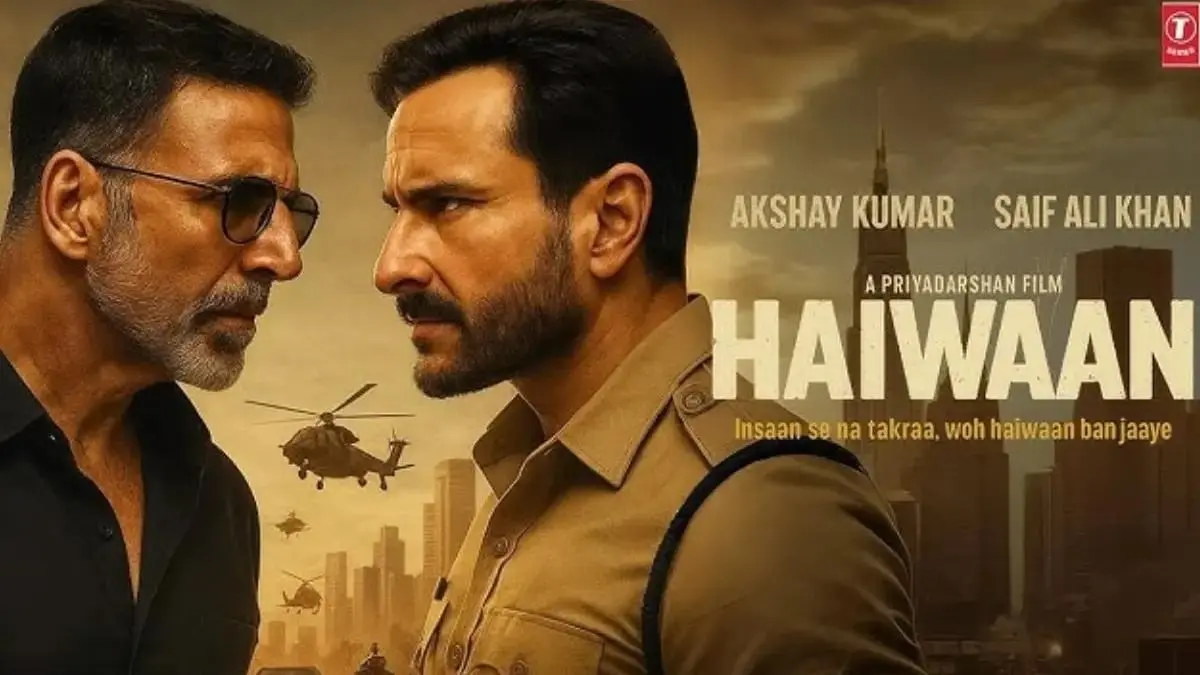
When a Bollywood film is described as an “official remake,” the phrase suggests that permission has been secured from the relevant rights holder. It does not mean the new production owns every element associated with the original movie.
A film contains several layers of intellectual property: the underlying story, screenplay, dialogue, recorded performances, music, lyrics, artwork and sometimes characters intended for sequels. A remake agreement defines which of those elements may be adapted and under what conditions.
What are remake rights?
Remake rights are contractual permission to create a new film based on an existing work. The rights holder may be a producer, studio, writer or another company, depending on the original contracts and chain of title.
The buyer typically negotiates the language, territory, medium and period covered by the deal. Permission for a Hindi-language theatrical remake, for example, may not automatically include a streaming series, an animated version or a sequel.
That is why the exact contract matters more than the casual phrase “rights bought.”
Story rights and screenplay rights are not always identical
Some remakes preserve the central premise but rebuild the scenes, characters and setting. Others follow the original screenplay closely. The agreement can specify how much freedom the new producers have and whether major changes require approval.
If the first film was itself based on a novel, play or another movie, the chain can become more complicated. The producer must confirm that the party selling the remake rights actually controls the rights needed for the planned adaptation.
This verification is known as checking the chain of title.
Are the original songs included?
Not necessarily. Music publishing rights and sound-recording rights are often controlled separately from the film-remake rights.
A producer may have permission to remake the story but still need a separate licence to reuse an original melody, lyrics or master recording. Re-recording an old song does not automatically remove the need to clear the underlying composition and lyrics.
This is why an official remake can legally tell the same story while featuring an entirely new soundtrack.
What about famous dialogue and characters?
Distinctive dialogue, character names and recognisable creative elements may be addressed in the agreement. A broad adaptation licence can permit their use, while a narrower deal may require the new writers to create replacements.
Marketing teams also need to know whether they can use the original film's title, poster references or claims such as “from the makers of.” Trademark and publicity considerations can sit alongside copyright permissions.
How are remake deals priced?
There is no universal price. A deal may involve a fixed fee, instalments linked to production milestones, a share of profits or revenue, bonuses, or a combination of these.
The price can be influenced by:
- the original film's commercial success;
- demand from competing buyers;
- the languages and territories included;
- whether streaming and television rights are covered;
- sequel, prequel or spin-off permissions;
- approval and credit requirements.
The public rarely sees the complete commercial terms, so reported figures should be treated cautiously unless confirmed by the parties.
Does an official remake have to copy the original?
No. Official permission creates a legal route to adapt the work; it does not require a shot-for-shot copy unless the contract unusually demands close adherence.
Localisation is often the point of a remake. Writers may change the setting, social context, humour, songs, pacing and character relationships for a new audience. The best adaptations preserve the dramatic engine while making the new version feel native to its language and culture.
What makes an “unauthorised remake” dispute difficult?
Copyright protects original expression, not every broad idea. Two films can share a general premise without one necessarily infringing the other. A dispute becomes stronger when the similarities extend to a substantial combination of specific scenes, characters, dialogue and plot structure.
Courts examine the applicable law and evidence; online side-by-side comparisons do not decide the legal question by themselves.
Credits and approvals
Contracts can require an “original film” credit, specific placement in the opening or closing titles, consultation with original creators, or approval over certain changes. Other deals give the remake producer wide creative control after payment.
The absence of a prominent public credit does not conclusively prove that no agreement exists, just as a similarity claim does not prove that all necessary rights were secured.
The bottom line
Bollywood remake rights are a negotiated bundle, not ownership of everything connected to the earlier film. Producers must identify the correct rights holder, define the allowed language and territory, and separately clear elements such as songs when they are not included.
For related reading, see why South Indian films are remade in Bollywood and browse the Bollywood section.