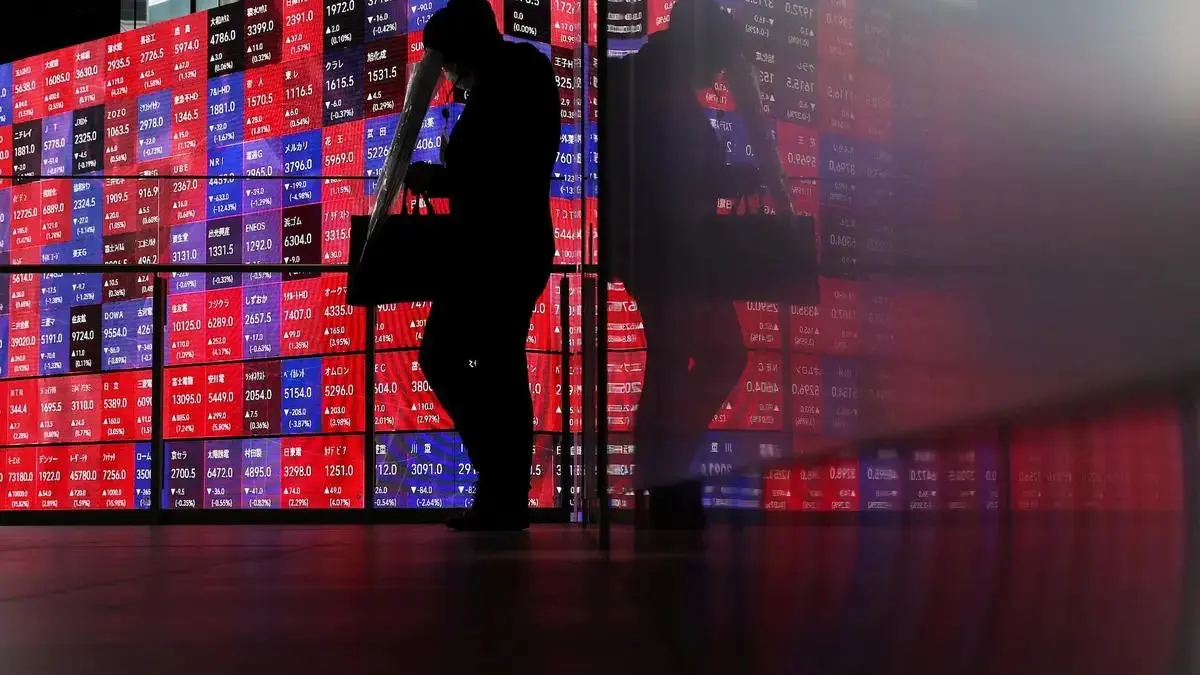
The Bank of Japan is expected to raise its policy rate to 1.25%, a 31-year high, as inflation risks rise from oil, imports and strong demand in areas such as artificial intelligence. The move would continue the long exit from Japan's ultra-low-rate era.
Why is the BOJ tightening?
Higher rates can cool demand and support the yen, helping contain imported inflation. Japan's challenge is balance: moving too quickly could hurt households and heavily indebted companies, while moving too slowly could let price gains become entrenched.
What should global readers watch?
First is Governor Kazuo Ueda's guidance on future hikes. Second is the yen: a stronger currency can reduce import costs, while an abrupt move can unsettle carry trades. Third is Japanese government bond yields, which influence global funding markets.
The expected decision is not a guarantee. The BOJ can change its wording or pace if financial conditions deteriorate.
FAQ
What rate is expected?
Markets are watching for a rise to 1.25%.
Why does Japan's decision matter globally?
Japanese investors are major global funders, so yen and bond moves can spill into other markets.
Is another hike certain?
No. Future decisions depend on inflation, wages and financial stability.
Why this story matters
The latest update is useful because it connects the headline event to decisions readers may need to follow next. Official statements, final figures and confirmed schedules carry more weight than anonymous posts or recycled clips. The situation can change as authorities, organisers and companies publish new information, so this page will be refreshed when a material development is verified. Readers should check the linked primary sources for the exact wording, dates and local details before sharing a claim.
Sources
Additional context
This developing story will be updated as verified statements, official documents and final figures become available. Readers should distinguish confirmed announcements from early estimates, reposted clips and anonymous claims. The wider significance depends on what happens next: regulators may publish rules, organisers may confirm schedules, companies may release filings and officials may clarify disputed details. We will keep the headline, timestamp and source list aligned with the latest confirmed information so readers in different countries can follow the story without relying on a single social-media post.