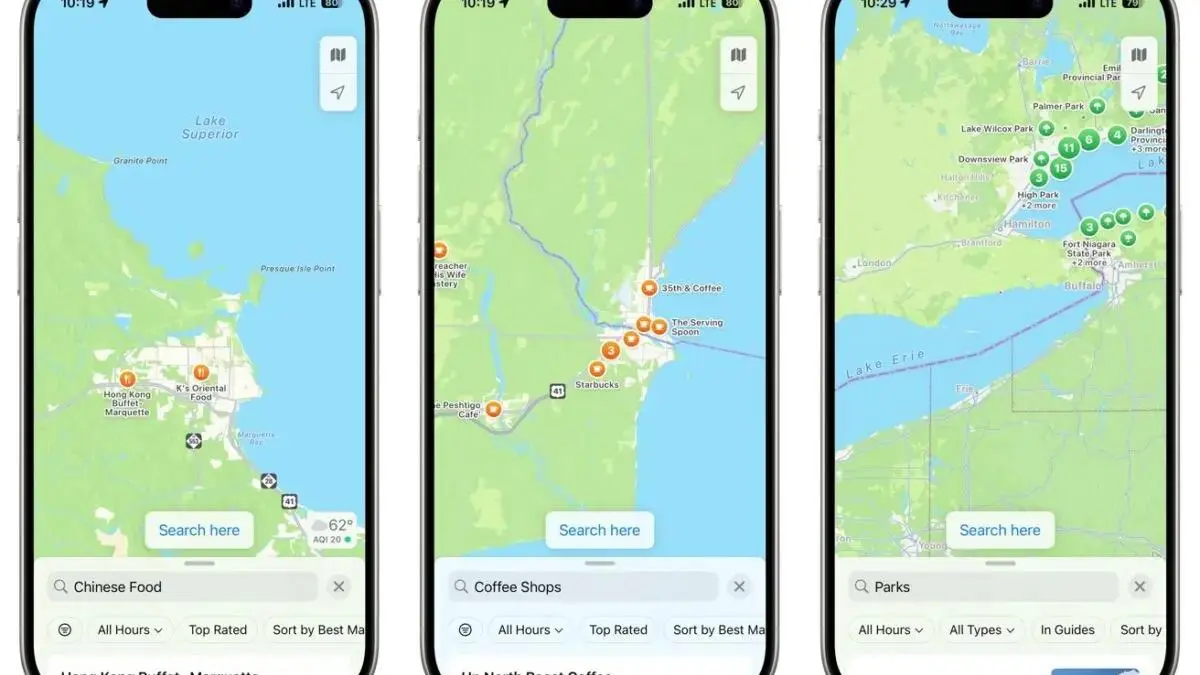
Apple has changed the name of Lake Ontario to “Lake America” on the web version of Apple Maps following an executive order from US President Donald Trump, turning a familiar geographic label into a new technology and diplomatic controversy.
The change affects a lake shared by the United States and Canada. Its international status makes the decision more complicated than renaming a feature located entirely inside one country.
Digital maps appear neutral, but every label reflects a choice about which government, language or local convention a platform recognizes.
What Apple changed
Users of the web version of Apple Maps began seeing “Lake America” where Lake Ontario had traditionally appeared. The change followed Trump's executive order directing US federal usage of the new name.
It is not yet clear whether every Apple Maps region and device will display the same label. Mapping companies often show different names depending on a user's location, language settings or the legal requirements of the market.
That means a person in the United States may eventually see a different label from someone viewing the same feature in Canada.
Can the United States rename a shared lake?
A US president can direct federal agencies to use particular terminology in official American documents and databases. That does not compel Canada or international organizations to accept the same name.
Lake Ontario forms part of the US-Canada border. Canada retains authority over its own official geographic naming, and the traditional name remains deeply established in law, navigation, history and public usage.
The practical result may be competing names rather than one universally recognized change.
Why Apple Maps is involved
Large map platforms rely on government databases, commercial data suppliers and internal policy teams. When an official US source changes a label, Apple must decide whether to adopt it globally, apply it only for US users or present multiple names.
The company has faced similar issues in disputed territories, where borders and place names appear differently depending on the viewing country. Google Maps and other services also use regional labelling to respond to political and legal conflicts.
Apple's decision is therefore not only about geography. It reveals how private technology companies become responsible for displaying government policy to millions of users.
The Canada-US political context
The renaming arrives during a period of tension over tariffs and Trump's approach to Canada. Polling cited by Reuters indicates that a majority of Americans oppose both new Canadian tariffs and the Lake Ontario name change.
Canadian officials and residents are likely to view the label as an assertion over a shared natural feature. Even if the technical change does not alter borders or treaty rights, names carry cultural and political meaning.
The controversy may also affect tourism and local search. Businesses, parks and travel services built around “Lake Ontario” depend on consistent naming across maps and search engines.
What users may see next
Apple can revise the display without making a public announcement, or it can introduce regional labels such as “Lake America (Lake Ontario).” The company may also keep different names across the web, iPhone and third-party applications until data updates synchronize.
Users should not assume that a changed map label alters legal navigation charts or international boundaries. Maritime and aviation systems rely on official operational data, not consumer map branding alone.
Google and Microsoft will face the same policy decision if US geographic databases adopt the new term. Their response could determine whether “Lake America” gains visibility or remains primarily a federal American label.
Digital maps are political infrastructure
Modern map services guide travel, emergency response, deliveries and public understanding. A naming choice can therefore spread faster through software than through printed atlases or legislation.
That power creates a responsibility to provide context. Showing only one disputed name can make a political decision appear like an uncontested geographic fact.
Apple Maps has complied with the US order on at least part of its platform. The larger question is whether it will recognize the lake's shared international identity when the new American label conflicts with Canadian usage.
For users, the water has not changed and the border has not moved. The argument is over the words displayed on the screen—and over who gets to choose them.
Source: Reuters technology and US coverage.