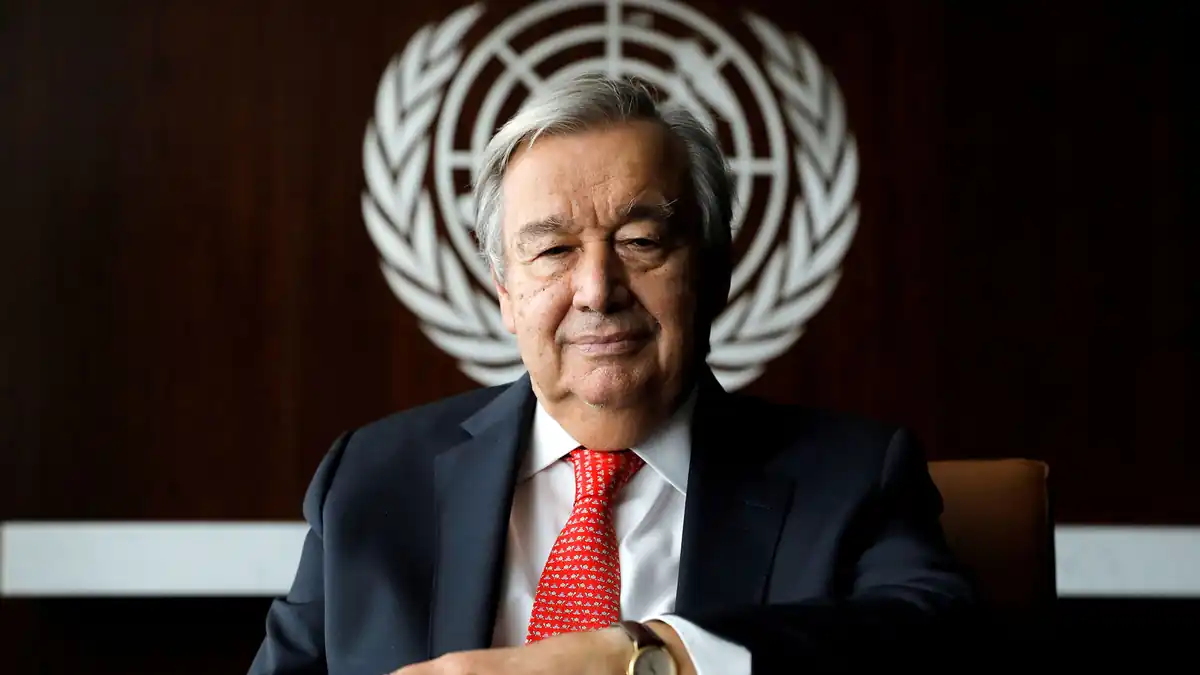
Photo: Council on Foreign Relations file portrait; original photographer not identified in archived image metadata. Original image source.
The United Nations used this year’s International Day for the Eradication of Poverty on October 17 to put housing at the centre of the discussion. The 2026 focus, “Safe Homes for All,” asks governments to treat a secure place to live as part of the fight against poverty, alongside income and access to services.
In his October 17 message, Secretary-General António Guterres linked unaffordable rents, insecure tenure and homelessness with a cycle that can undermine health, education and stable work. The message sets out a policy argument; it does not announce a new global housing benefit or an individual application scheme.
Why a housing shock can become an income shock
A household can be working and still be vulnerable to losing its home. Consider the practical sequence when rent rises beyond what a family can manage: moving may alter the journey to work, interrupt a child’s school routine, and add deposits or transport costs. Those pressures can reinforce one another rather than arrive as separate problems.
That example explains the logic of linking housing and poverty policy. An income measure alone cannot describe whether a family has a safe, affordable home near essential services. Conversely, having a roof does not establish that housing is secure or suitable.
The 2026 focus sits inside a wider theme
The UN’s observance page places the housing focus under its 2026–2028 theme, “United for Peace and Human Rights.” Its programme emphasizes involving people experiencing poverty in policy design, and mobilizing resources for safe and affordable homes.
This is an important distinction when assessing a local announcement. Consultation is more meaningful when affected residents can influence decisions, not simply attend an event after a plan has already been agreed. A stated commitment also needs a budget, an implementing body and a way to check whether conditions improve.
What to look for after the observance
For readers following housing policy in their own country, useful follow-up questions are concrete: Who can receive support? Does the policy address affordability, safety, security of tenure, or all three? Which agency delivers it, and when can its results be assessed?
The UN message calls for affordable housing and basic services alongside decent work and social protection. Whether a national policy achieves that needs to be judged from its actual design and results. A declaration alone cannot show how many households have become securely housed.
The background to the observance explains its emphasis on participation by people living in poverty. Our guide to the legal effect of UN resolutions explains why international commitments need to be read carefully. The World section follows the policies affecting daily life.
