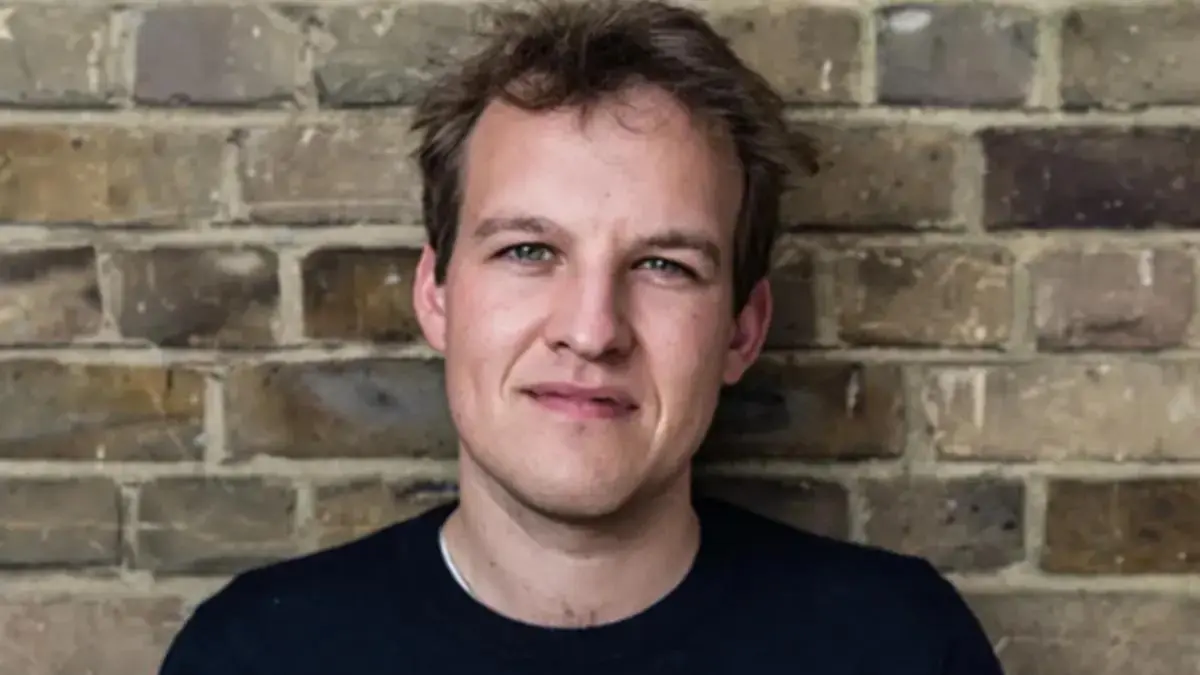
Matt Clifford, one of the most influential architects of the British government's artificial-intelligence strategy, has joined Anthropic as managing director of international affairs.
Clifford will lead the Claude developer's engagement with governments across the United Kingdom, Europe, Asia-Pacific and India. The appointment gives Anthropic direct access to someone who helped shape the UK's approach to AI safety, investment and public-sector adoption under both Conservative and Labour governments.
Clifford's role in UK AI policy
Clifford advised former Prime Minister Rishi Sunak and later worked with Keir Starmer's government. He helped organize the UK's early AI Safety Summit and contributed to policy intended to attract advanced AI companies while building oversight institutions.
He also led work on the AI Opportunities Action Plan, covering computing infrastructure, access to data, skills and adoption across public services.
Clifford resigned from his formal government advisory role for personal reasons but remains chair of the Advanced Research and Invention Agency and continues his connection with Entrepreneurs First.
What he will do at Anthropic
Anthropic needs relationships with governments because its products increasingly intersect with national security, education, employment and public services. Rules developed in Brussels, London and Asian capitals can determine which models are available and what safety testing is required.
Clifford's job will involve explaining the company's technology to officials, responding to proposed regulation and helping negotiate partnerships.
His international brief is especially important as governments attempt to balance access to powerful American AI models with concerns about dependence, data control and domestic innovation.
The revolving-door concern
The rapid move from government adviser to a major AI company has prompted criticism from transparency campaigners. Unlock Democracy and others argue that officials who develop public policy can carry valuable relationships and non-public knowledge into private industry.
There is no allegation that Clifford broke the law. The concern is structural: companies can gain an advantage by hiring the people who understand how regulations were designed and who know the officials implementing them.
Clear disclosure of meetings, responsibilities and conflict-management rules will be important. His continuing chairmanship of a publicly backed research agency may receive particular scrutiny.
Why Anthropic wants government expertise
Anthropic presents itself as an AI safety-focused company, but it is also competing commercially with OpenAI, Google and other model developers. Government contracts and policy decisions can influence both reputation and revenue.
The company is expanding in London and has ambitions across international markets. It also needs to persuade regulators that voluntary safety work can be trusted while resisting rules it considers technically impractical.
Former officials understand how to translate engineering debates into policy language. That ability is valuable when AI laws are being written faster than many governments can build internal expertise.
What this means for UK strategy
The appointment highlights Britain's close relationship with US AI laboratories. The UK wants investment and access to leading models, while also seeking a distinct role in safety evaluation and scientific research.
Critics may argue that the government is training policy experts who are then recruited by the companies being regulated. Supporters will say movement between sectors is necessary because AI expertise is scarce and cooperation is unavoidable.
Both claims contain some truth. The question is whether transparency and conflict rules are strong enough to protect public trust.
Clifford said decisions about AI must be made jointly by companies and governments. His new position places him directly at that boundary—and ensures that every policy conversation he enters will be watched for evidence of where collaboration ends and influence begins.
Source: The Guardian report.
